Saint-Émilion · Bordeaux, France
A Village Carved Into the Limestone
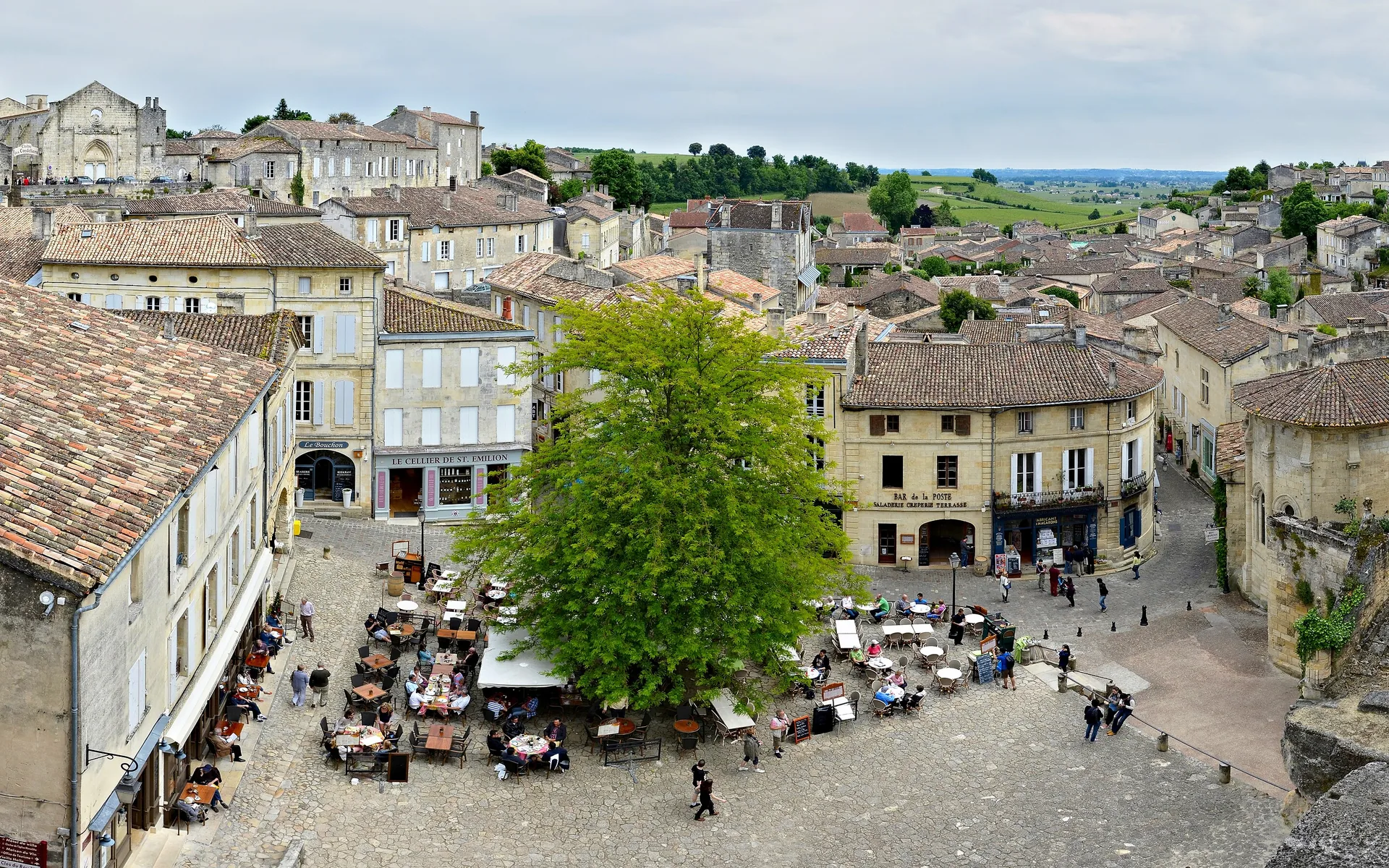
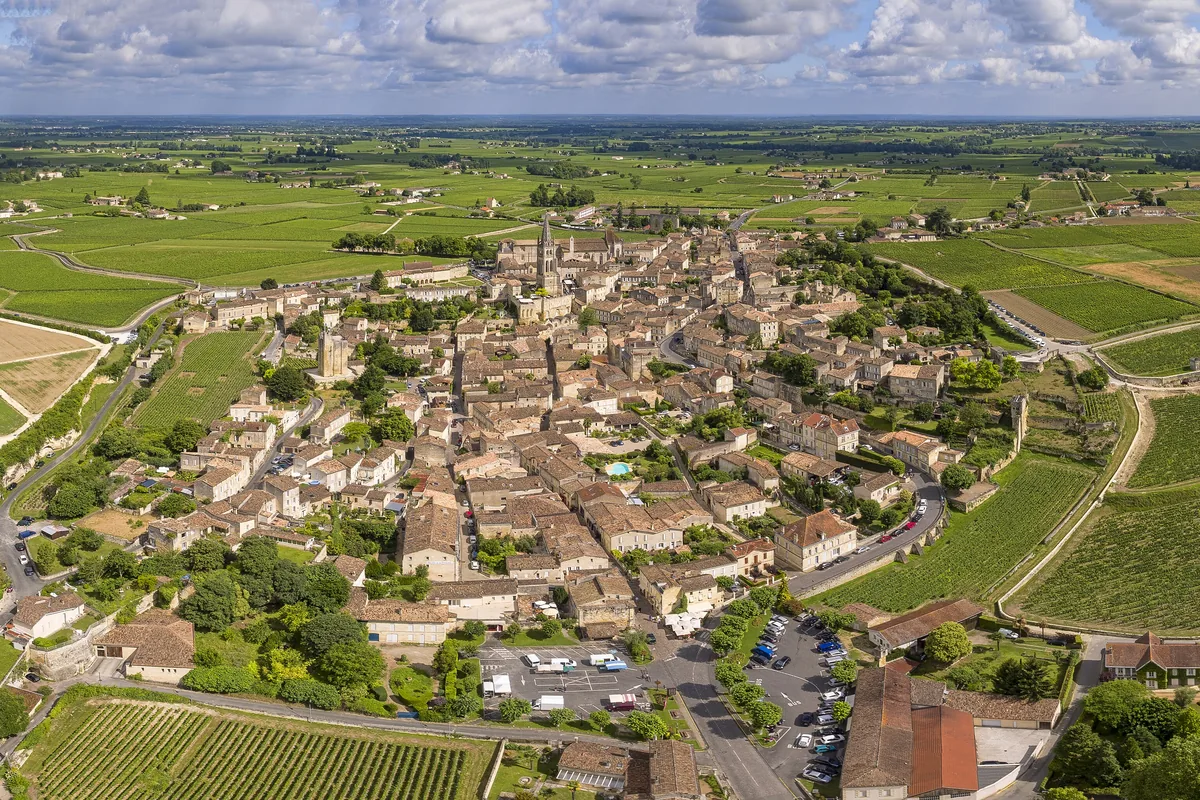
On a limestone plateau east of Bordeaux, a medieval village sits above Merlot vineyards — and beneath it, a church hewn downward out of solid rock and kilometres of old quarries now used to age wine. It was the first vineyard landscape UNESCO ever listed. Here's how a day from Bordeaux fits the châteaux, the tastings and the village together.
Carved down, not built up
Carved down, not built up
A church hewn from the rock
Saint-Émilion's strangest wonder is underground. Its monolithic church — the largest in Europe — was not built stone by stone but carved downward out of a single mass of limestone in the 11th century, some 15,000 cubic metres of rock hollowed out to leave a nave nearly 38 metres long with its pillars and vaults part of the original stone. The village is named for Émilion, an 8th-century Breton monk who lived as a hermit in a cave in the rock, and the settlement grew around his followers.
The first vineyard UNESCO listed
In 1999 the 'Jurisdiction of Saint-Émilion' became the first wine-growing landscape ever inscribed by UNESCO as a cultural landscape — not just the pretty village or the church, but a whole living territory of some 7,800 hectares across eight communes. It's a rare listing that honours a working vineyard, and it's why a day here is as much about the terroir and the town as about any single glass of wine.
Wine aged in old quarries
The same limestone that built Bordeaux and was carved into the church left kilometres of cool, humid underground galleries beneath the village and its estates — and many are now used as natural cellars to age wine. So Saint-Émilion's wine and its stone are the same story: the plateau that grows the Merlot is the rock that shelters it as it matures. A good château visit usually takes you down into those cellars.
How the day runs
A wine day from Bordeaux follows a simple, civilised rhythm: out to the vineyards, into the cellars, and time in the village. Here's the shape of it.
- 01
Out from Bordeaux
The day sets off from central Bordeaux — a common meeting point is the tourist office — and runs about 45 minutes east to the Saint-Émilion wine district, roughly 40 kilometres away. Small-group tours travel by minivan or coach, often capped around eight people, with a driver-guide, so from the first minute the point is clear: you're here to taste, not to drive.
- 02
Into a château
The heart of the day is a château visit: a walk through the vineyard, an explanation of the Right Bank terroir and the Merlot-led blends, a tour of the cellars — frequently the cool underground limestone galleries — and a tasting of a handful of wines, sometimes paired with local cheese and charcuterie. A half-day visits one estate; a full day adds a second or third, sometimes reaching into neighbouring Pomerol.
- 03
Time in the village
A guided walk and free time in Saint-Émilion itself: the medieval lanes, the monolithic church and its bell tower, the hermitage where the monk Émilion lived, and the shops selling the village's famous almond macarons. Half-day tours give you a taste of the village; full-day tours leave more room to climb the tower, buy wine, or find lunch — usually at your own expense.
- 04
Back to Bordeaux
The return is a short, easy drive back to the city — and because a driver-guide has handled the transport, you can have enjoyed the tastings without a second thought about the road. A half-day tour has you back by early afternoon with the rest of the day free; a full-day trip returns in the late afternoon or early evening, wine in hand if you've bought a bottle or two.
The village, above and below
The village, above and below
Saint-Émilion is small but layered — a medieval town on the surface and a hollowed world beneath. Here's what to look for.
The monolithic church
Europe's largest underground church, carved downward out of a single limestone mass in the 11th century — a vast rock-cut nave you visit from the tourist office, with chapels and medieval carvings hewn into the stone. Not a building placed on the ground but a space cut out of it: the village's most extraordinary sight, and easy to miss if you only wander the streets above.
The bell tower
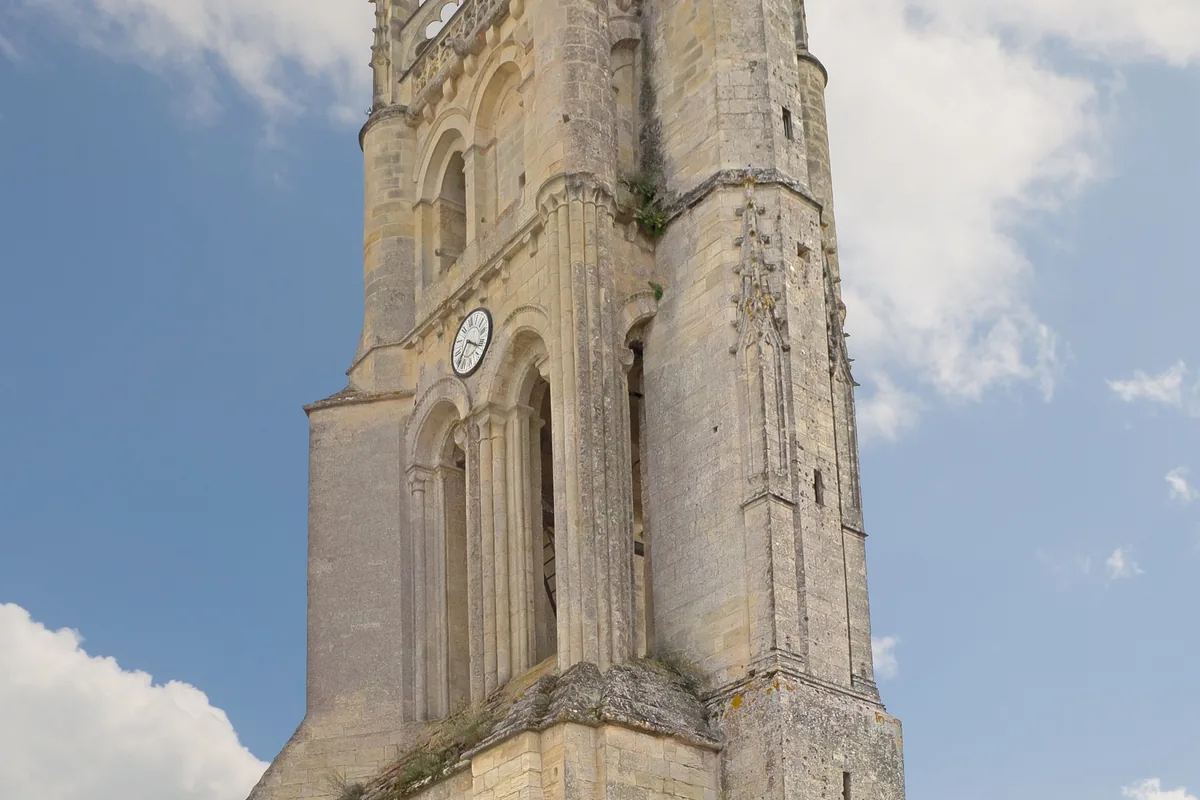
The bell tower of the monolithic church rises above the village and can be climbed — roughly 196 steps — for a panorama over the terracotta roofs and the surrounding vineyards. It's the classic Saint-Émilion view, and the payoff for the climb is seeing the plateau of vines that the whole day is really about, spread out below you in every direction.
Where the monk lived
The cave hermitage of Émilion, the 8th-century Breton monk the village is named for, who lived as a hermit in the rock and drew a following of monks around him. Nearby lie catacombs and medieval frescoes cut into the limestone — the origin story of the town, underground, and a reminder that Saint-Émilion was a place of pilgrimage long before it was a name on a wine label.
Quarries turned to wine
Kilometres of former limestone quarries beneath the village and its estates, now cool, humid cellars used to age wine. Many château visits take you down into them — a direct link between the stone that built the region and the wine it now shelters. Standing among the barrels in a rock-cut gallery is one of the day's quiet highlights.
A 400-year-old sweet
Saint-Émilion's almond macarons — soft, chewy discs said to date to 1620 and the Ursuline nuns — are the village's sweet counterpart to its wine, still made and sold in the lanes. A small, edible piece of local history, and the easiest souvenir to carry home; buy a box in the village during your free time.
The limestone plateau
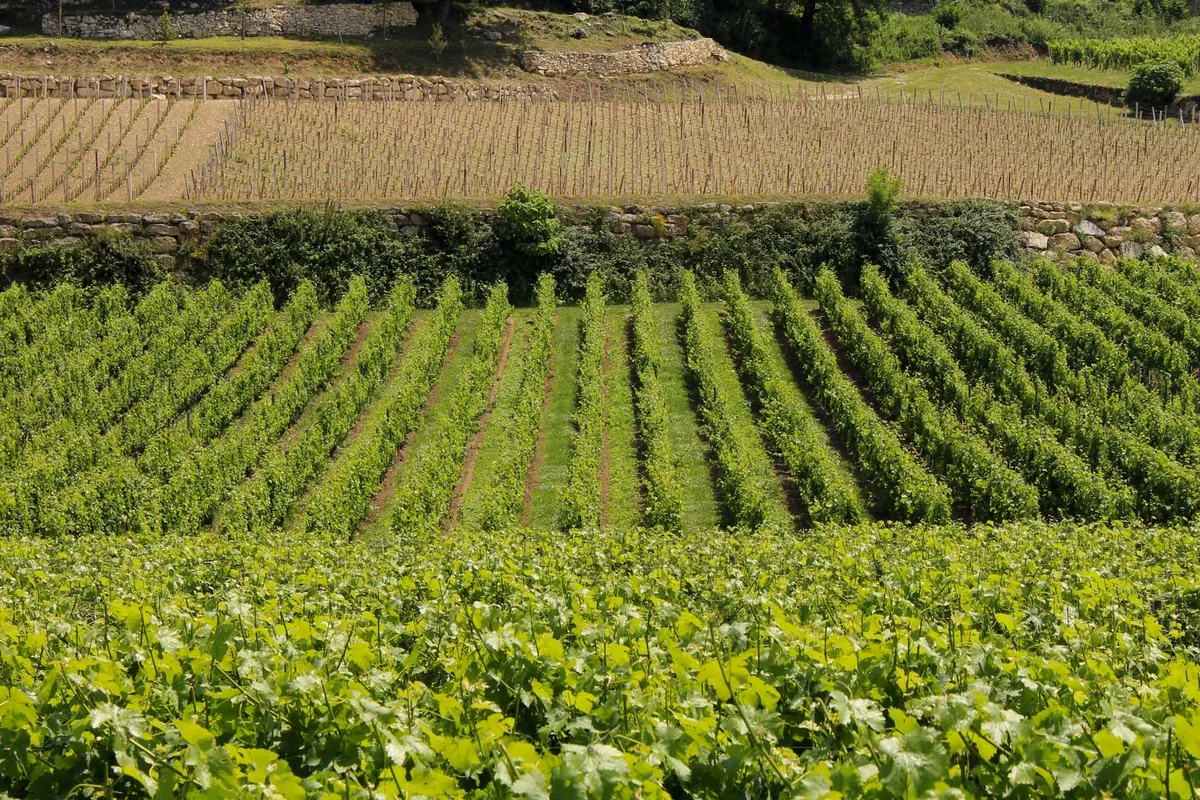
The vines themselves, on the limestone plateau and the slopes — the côtes — above the town, where the best Right Bank terroirs sit. This is the landscape UNESCO listed: a working vineyard that has produced wine since Roman times, and the reason the château visits, not just the village, are the point of the day.
Reading a Saint-Émilion label
The Saint-Émilion classification, top to bottom
Saint-Émilion ranks its wines in tiers, revised roughly every decade. Only two estates hold the summit today.
- Premier Grand Cru Classé APavie · Figeac
- Premier Grand Cru Classé BA dozen-plus leading estates
- Grand Cru ClasséMany classified châteaux
- Saint-Émilion Grand CruThe broad quality appellation
After the 2022 revision, Ausone, Cheval Blanc and Angélus left the classification; the current Premiers Grands Crus Classés “A” are Château Pavie and Château Figeac.
Half-day or full-day?
The main choice is how much of a day you want to give it. Both formats work; they suit different trips and different appetites.
The half-day
About four and a half hours: a minivan to the region, one château visit with a tasting, a guided walk in the village and a second tasting in a village wine cellar — eight wines in all, with no food included, so eat beforehand. It's the efficient option, leaving the rest of your day in Bordeaux free, and it's plenty to understand Saint-Émilion's wine and see the village. For most visitors on a city break, the half-day is the sweet spot.
The full-day
About eight to nine hours, usually two or three château visits — sometimes adding a Pomerol or Fronsac estate — more tastings, and a longer stretch in the village, often with lunch. It's the choice for keen wine lovers who want depth rather than a taste, and who'd rather spend the whole day in the vines than head back to the city by lunchtime. Expect more wines, more terroir, and a fuller picture.
Tastings in, lunch usually out
On both formats the tasting fees are normally included — that's the core of the tour — while lunch is often at your own expense during free time in the village, though some full-day formats bundle a meal or food pairings. It's worth reading the specific listing: 'includes tastings' and 'includes lunch' are different promises, and the difference shows up in the price.
You don't have to spit
Because a driver-guide handles the transport, you can actually drink the wine rather than spitting to stay fit to drive — a genuine advantage over renting a car for the day. Spittoons are provided at tastings for those who prefer to spit or to pace themselves across several estates, but the freedom to enjoy the wine properly is much of the reason to book a guided day here.
Left Bank or Right Bank?
Left Bank vs Right Bank Bordeaux
Right Bank
- Where
- East of the rivers — Saint-Émilion, Pomerol
- Main grape
- Merlot (with Cabernet Franc)
- Style
- Softer, plush, approachable younger
- Saint-Émilion is…
- Here — the Right Bank's most famous village
Left Bank
- Where
- West — the Médoc, Graves
- Main grape
- Cabernet Sauvignon
- Style
- Firmer, more structured, longer-ageing
- Saint-Émilion is…
- A different day trip, west of Bordeaux
Good to know
Getting the wine right
Two things trip up first-time visitors to Bordeaux wine country. Knowing them makes the day — and the labels — click into place.
Which Bordeaux this is
Saint-Émilion is Right Bank Bordeaux — Merlot-led, softer, more approachable young — and a different day from the Left Bank Médoc, west of the city, where Cabernet Sauvignon rules and the wines are firmer and slower to open. Both are 'Bordeaux', but they're opposite banks, opposite grapes and opposite tours. If you want the medieval village and the underground church with your wine, that's Saint-Émilion, the Right Bank.
What UNESCO actually listed
It's tempting to think 'the church is the UNESCO site', but the 1999 listing is the whole Jurisdiction of Saint-Émilion — some 7,800 hectares of working vineyard across eight communes, the first wine landscape UNESCO ever inscribed. The village and its monuments are the jewel, but the terroir around them is the point. That's why a good day gives you both the vines and the town, not just the pretty streets.
When to go
Saint-Émilion is a year-round trip, but the season changes the vines, the crowds and the mood of the village.
Spring (Apr–Jun)
The vines wake and leaf out, the weather turns mild, and the village is busy but not yet at its summer peak. Spring is one of the loveliest times to walk the lanes and the plateau, with fresh green vineyards and comfortable touring weather. A fine, gentle time for a first visit, with the estates open and the crowds still manageable.
Summer (Jul–Aug)
The warmest and busiest months: the vines in full leaf, long sunny days, and the village at its most crowded, especially at midday. The wine and the setting are glorious, but book ahead — the small-group tours fill up — and expect company in the lanes. Start early or take an afternoon tour to sidestep the worst of the heat and the crowds.
Harvest (usually Sep)
Harvest — les vendanges — usually falls in September, though the exact timing shifts with the year and the weather, and it's the most atmospheric time to visit: the estates alive with picking, the cellars busy, and a charge in the air across the whole district. Tours are in demand, so book well ahead if you want to see the vineyards working.
Autumn & winter (Oct–Mar)
Autumn brings golden-red vines and softer light after the harvest, with thinning crowds — a beautiful, calmer time to visit. Winter is the quietest, with bare vines and a hushed village; the tours still run and the cellars are always the same cool temperature, but the vineyards are dormant. For colour and calm, aim for October; for solitude, the winter months.
Saint-Émilion, in pictures
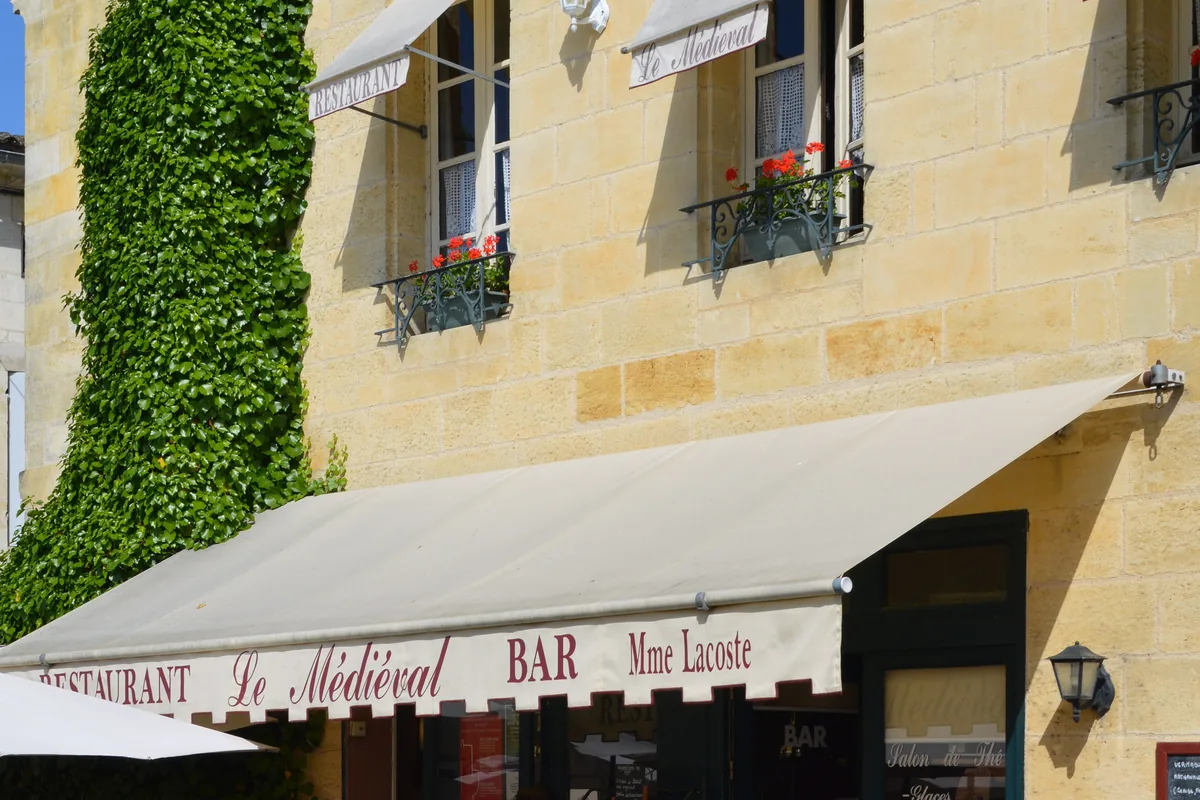
The village on its plateau, the vineyards, the bell tower and the limestone lanes.
Planning your day
Planning your day
Pick half-day or full-day
Decide first how much of the day you want to give it. A half-day (about four and a half hours, one château, time in the village) is the efficient choice on a Bordeaux city break and leaves your afternoon free. A full day (eight to nine hours, two or three châteaux, often lunch) is for keen wine lovers who want depth. Both see the village and taste the wine; the difference is how many estates and how long in the vines.
Check what's included
Tasting fees are usually included — they're the point of the tour — but lunch often isn't, and the number of châteaux and wines varies. Before booking, read the listing for how many estates it visits, how many wines you'll taste, and whether food is included. 'Includes tastings' and 'includes lunch' are different, and it's worth knowing which you're getting.
Let the guide drive
The whole advantage of a guided day is that you don't drive, so you can actually enjoy the wine — spittoons are there if you want to pace yourself across several estates, but no one has to stay sober for the road. It's the main reason to book a tour rather than rent a car, and it turns the tastings from a careful sip into a proper pleasure.
Leave room for the underground
Don't spend all your village time in the wine shops — make sure you see the underground Saint-Émilion, too. The monolithic church, visited from the tourist office, and the cave hermitage are the village's most remarkable sights and easy to miss if you only stroll the streets. If the tower's open and you've the legs for it, the climb rewards you with the vineyard panorama.
Time it for the vines
If the working vineyard is part of the draw, aim for late spring for fresh green vines, or September for the harvest — the most atmospheric time, though book well ahead. October brings golden colour and calm; winter is quiet with the vines bare. The cellars are the same cool temperature year-round, so a winter tour still delivers the wine and the underground village even when the plateau is dormant.
Saint-Émilion wine tours from Bordeaux
Find a Saint-Émilion day for your dates
Book any of these Saint-Émilion days through GetYourGuide, where your final price in your own currency shows before checkout — a driver covers the vineyard roads between châteaux, so the whole group can taste.
Planning a Saint-Émilion day
Saint-Émilion from Bordeaux: Half-Day or Full-Day?
The two formats compared — how many châteaux, how much village time, and which suits your trip and your thirst.
Read more →THE WINELeft Bank vs Right Bank Bordeaux, Explained
Why Saint-Émilion tastes different from the Médoc — the grapes, the soils and what it means for your glass.
Read more →UNDERGROUNDSaint-Émilion's Underground: The Monolithic Church
Europe's largest rock-cut church, the hermit's cave and the quarry cellars — the hollowed world beneath the village.
Read more →WHEN TO GOThe Best Time to Visit Saint-Émilion
Green spring vines, harvest atmosphere, golden autumn or quiet winter — the seasons in the Bordeaux wine country.
Read more →THE VISITWhat a Château Visit and Tasting Is Like
From the vineyard walk to the cellar and the tasting glass — how a Saint-Émilion estate visit actually unfolds.
Read more →Questions
Saint-Émilion questions
How far is Saint-Émilion from Bordeaux, and how long is the tour?
Saint-Émilion is about 35 km east of Bordeaux, roughly a 45-minute drive. Tours come in two lengths: a half-day of about four and a half to five hours, with one château visit and time in the village, and a full day of about eight to nine hours, usually two or three châteaux plus a longer stretch in the village and often lunch. The half-day suits a city break; the full day suits keen wine lovers.
How many châteaux will I visit, and are the tastings included?
A half-day tour typically visits one château and a full day two or three, sometimes adding a neighbouring Pomerol or Fronsac estate, tasting roughly a handful of wines per estate — often paired with cheese and charcuterie. Tasting fees are normally included; lunch is frequently at your own expense during free time, though some full-day formats bundle a meal. Always check the specific listing for how many estates, how many wines, and whether food is included.
Can I drink the wine, or do I have to spit and drive?
You can drink — that's the point of a guided day. Because a driver-guide handles the transport, you don't have to stay sober for the road, unlike renting a car. Spittoons are provided at tastings if you prefer to spit or to pace yourself across several estates, but the freedom to actually enjoy the wine is one of the main reasons to book a tour rather than drive yourself.
What's the difference between Saint-Émilion and the Médoc?
They're opposite banks of Bordeaux. Saint-Émilion is Right Bank — Merlot-dominant blends with Cabernet Franc, softer and more approachable young — east of the rivers, with the medieval village and its underground church. The Médoc is Left Bank, west of Bordeaux, where Cabernet Sauvignon rules and the wines are firmer and slower to open. Both are Bordeaux day trips, but different grapes, different landscapes and different tours.
What is there to see in the village besides wine?
Plenty, much of it underground. Saint-Émilion has Europe's largest monolithic church, carved downward out of the limestone in the 11th century and visited from the tourist office; the cave hermitage of the monk the village is named for, with catacombs and medieval frescoes; a bell tower you can climb (around 196 steps) for a vineyard panorama; and the famous almond macarons, made since 1620. Don't spend all your time in the wine shops — the underground village is the highlight.
When is the best time to visit Saint-Émilion?
Late spring for fresh green vines and mild weather, or September for the harvest — the most atmospheric time, with the estates picking and the cellars busy, though you'll need to book well ahead. October brings golden autumn colour and thinning crowds; summer is warmest and busiest; winter is quiet with the vines bare. The cellars stay cool year-round, so even a winter tour delivers the wine and the underground village.